Gui Maia
Product Leader
20 years shipping B2B SaaS across design, code, product, and GTM.
Wellington, NZ · NZ citizen with AU working rights · Available immediately

10 yrs
Senior product design at Jemini, an enterprise payroll & HR platform
50+
Enterprise customers (100–2,000 users each), including Toyota NZ and NZQA
840+
Component library variants across 3 themes, shared by 3 production products
Positioning
Roles I fit
Twenty years across design, code, product, and GTM means I don't slot into one title. Here's where I add the most value, and what I bring to each.
01
Founding Designer / Product Generalist
0→1
seed–Series A
full-stack
I run discovery, ship the product, build the design system, and write the React. I've already done it for Mosaico — you don't pay for translation between design, engineering, and GTM.
02
Design Engineer / Staff Designer
React
design systems
production code
Designs that land in production without a handoff. Token-driven systems, accessible components, prod-grade tRPC/Dynamo code. I close the gap between Figma and the deploy pipeline.
03
Senior / Principal Product Manager
B2B SaaS
0→1
AI tooling
Discovery research, ICP work, structured experiments, metrics-driven iteration. My case studies are PM artifacts — playbooks, RAG dashboards, agent config — built and shipped, not specced.
04
Head of Design / Design Lead
systems
cross-functional
mentoring
Twenty years leading design across HR tech, sales tech, and AI. I've built design systems, mentored teams, and aligned design with product and GTM. I lead by shipping, not by directing.
Weaker fit: pure growth PM, data-heavy enterprise PM, or pure visual/brand design roles. My edge is 0→1, hybrid product work — not optimisation or pure aesthetics.
Selected work
Four case studies — research, design decisions, and outcomes from the last decade.
Design system
10 years
Jemini / Fusion5
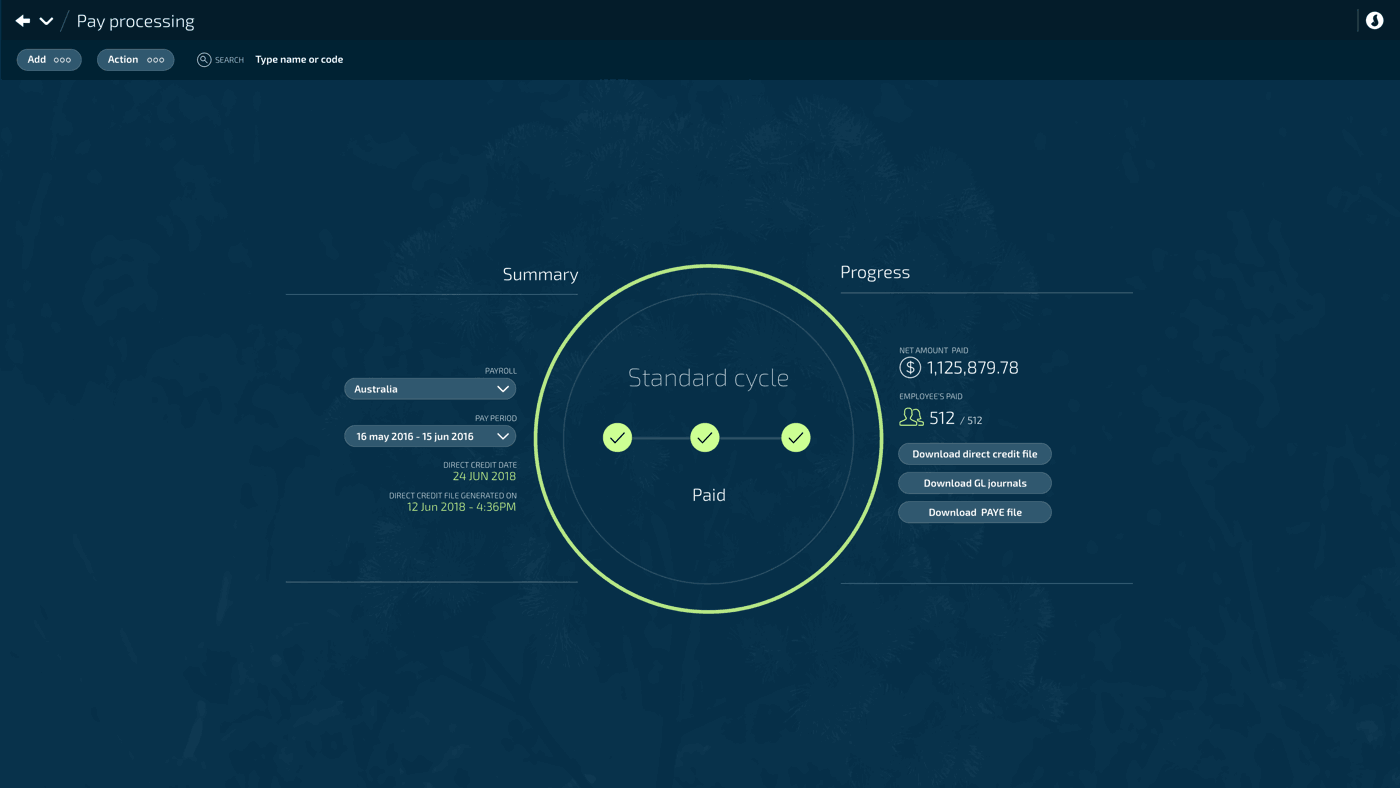
A design system that scaled with the product, not against it
Enterprise payroll and HR meant hundreds of screens, regulatory edge cases, and 50+ customers each demanding 'just one thing' — without a system, the product would fragment.
Continuous feedback loops with users across 50+ accounts; usability testing on every major flow; pattern audits before each new module.
Built and evolved a system where new features inherited the existing interaction logic — adoption friction stayed low even as the product expanded from payroll to a full HR suite.
10 years of consistent UX across payroll, HR, onboarding, performance reviews, and LMS — won enterprise contracts including Toyota NZ, NZQA, and Silver Fern Farms.
Read more
Component library
16 months
Mosaico
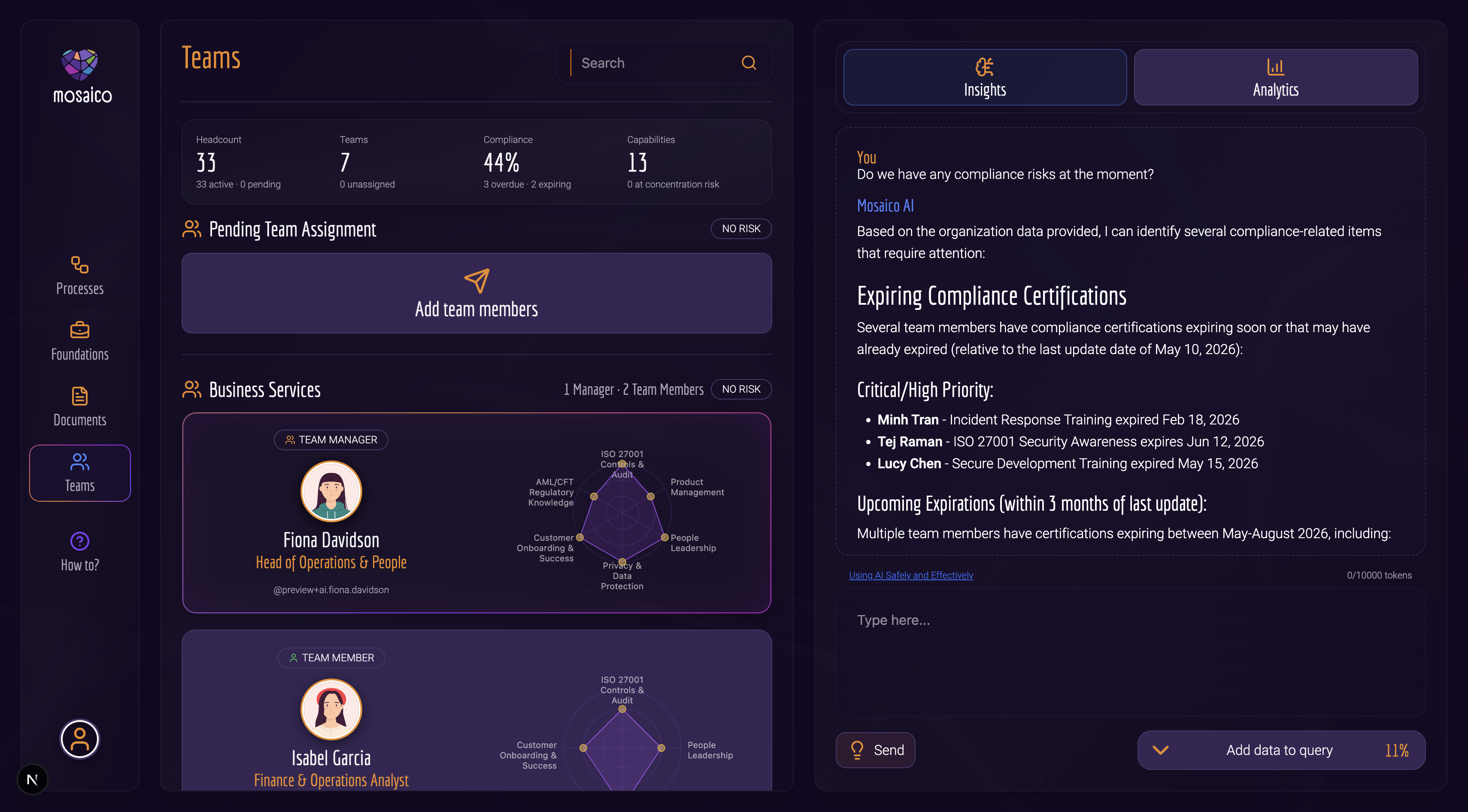
A production component library shared by three connected products
Three B2B SaaS products needed to feel like one platform, but each had distinct workflows and personas — building three separate UIs would have killed velocity and consistency.
Designed against six distinct buyer personas — entry points, pain language, and interaction patterns informed by direct pilot observation, not assumption.
Single component library: 100+ basic and 200+ complex components, 840+ style variants, 3 themes — keeping visual consistency across products without enforcement overhead.
Three production products shipped from a single design system, each tailored to its persona while sharing the same visual and interaction language.
Read more
Outreach engine
4 months
Mosaico.Network
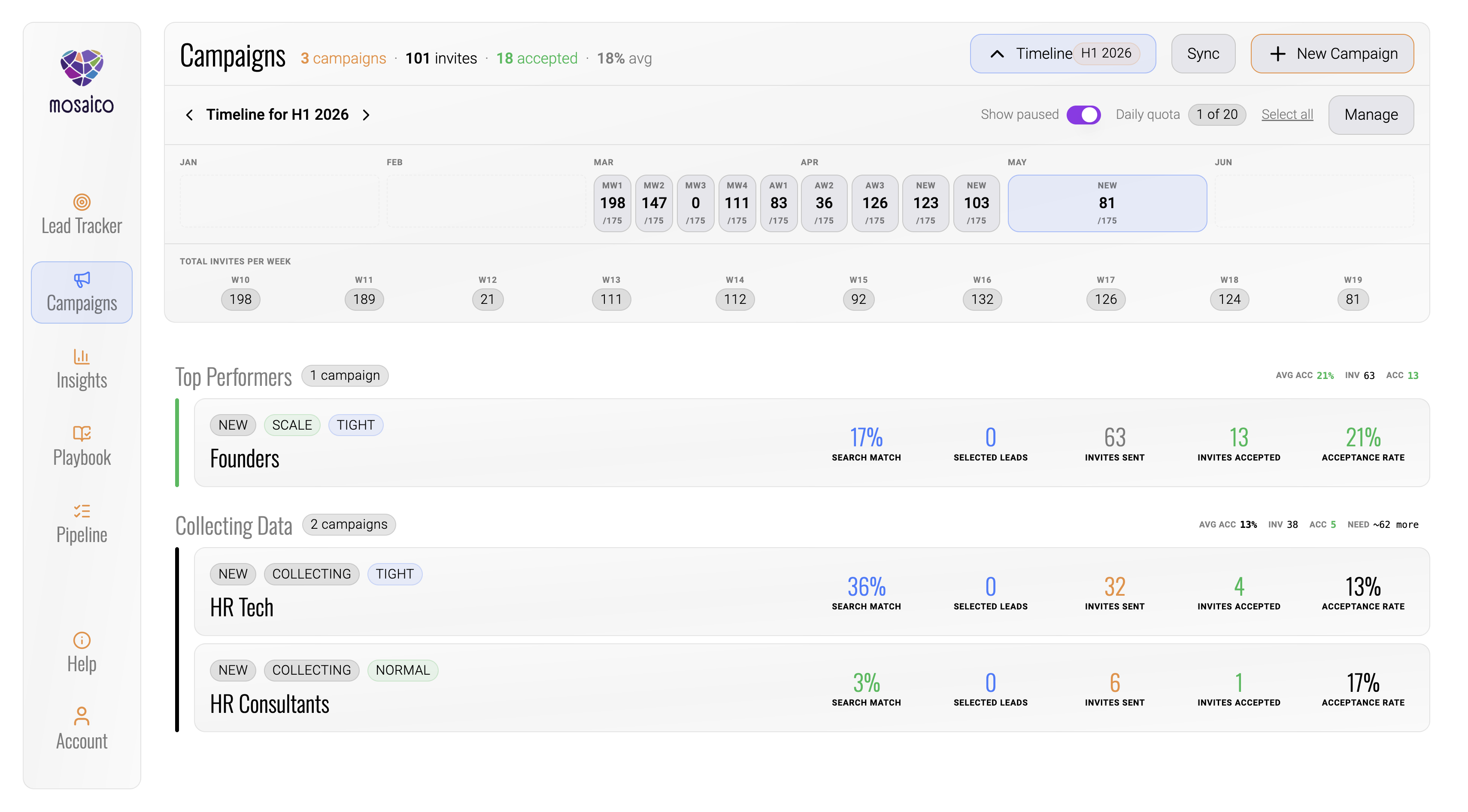
Turning outreach into a structured experiment
$200/mo on Sales Nav + automation tools, still no visibility on what worked. Spreadsheets unmanageable. Flying blind on what to repeat or drop.
Worked with Engenesis on outreach methodology. Mapped every LinkedIn Voyager API operation and enforced rate limits server-side. LLM for combination analysis, not message generation.
Campaigns as playbooks — not templates. The act of creating forces articulation: problem, value, ICP, message. Server-enforced rate limits with a browser extension on the client. AI surfaces reasoning so the operator decides.
$2,000+ saved year one replacing the stack. Invite acceptance rose from 9% to 25%. Engenesis now forwards consultancy clients and wants the tool themselves — distribution channel established.
Read more
RAG engine
2 iterations
mosaico-chat
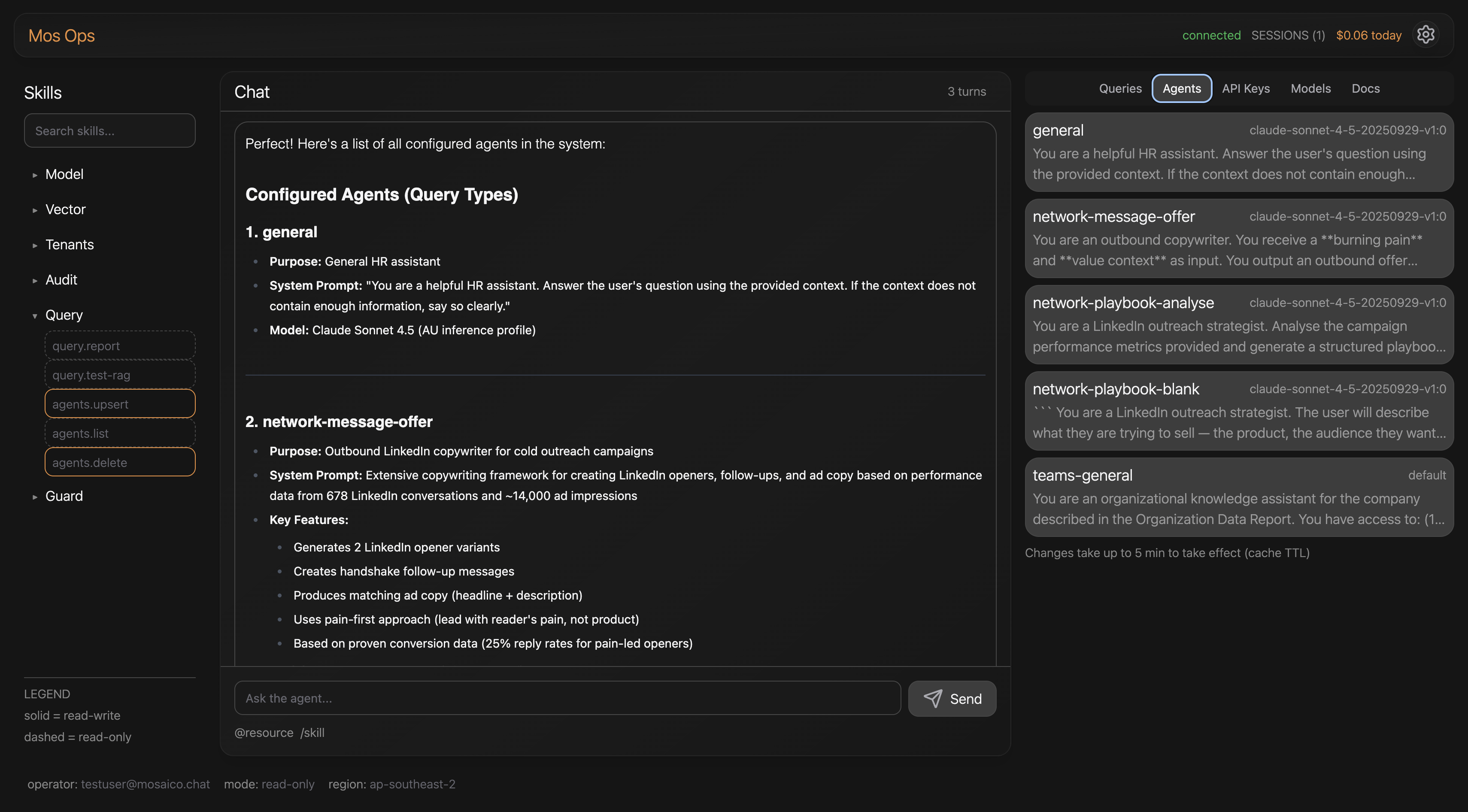
A portable RAG engine, no admin UI required
Two Mosaico products both needed deep AI. Building the RAG layer twice meant doubled cost, doubled maintenance, and no path to selling the engine on its own.
Off-the-shelf RAG was either too expensive to host or required an admin dashboard the size of a separate product. Custom Bedrock builds were out of reach for legacy SaaS teams.
One engine, agent-administered via Pipeline A (no admin UI), public API contract via Pipeline B. Moved from EC2 + Tesla GPU ($500/mo) to Lambda + Bedrock + S3 Vectors (~$0.04/query).
$500/mo fixed cost eliminated. ~4.6s end-to-end query. 4 agents across 2 products in production. Positioned as a standalone product for legacy SaaS.
Read more
How I work
Research
↓
Spec
↓
System build
↓
Validate
↓
Ship
Same design rigour I've applied for 15 years — research, specs, intentional decisions — applied through a production design system. The system is the discipline; AI-fluent tooling accelerates the cycle, not the decisions. I learned what breaks at scale across a decade at Jemini, and this is the workflow I'd bring to any team I join.
Design system in production
Figma prototypes
Interactive flows ready for dev handoff
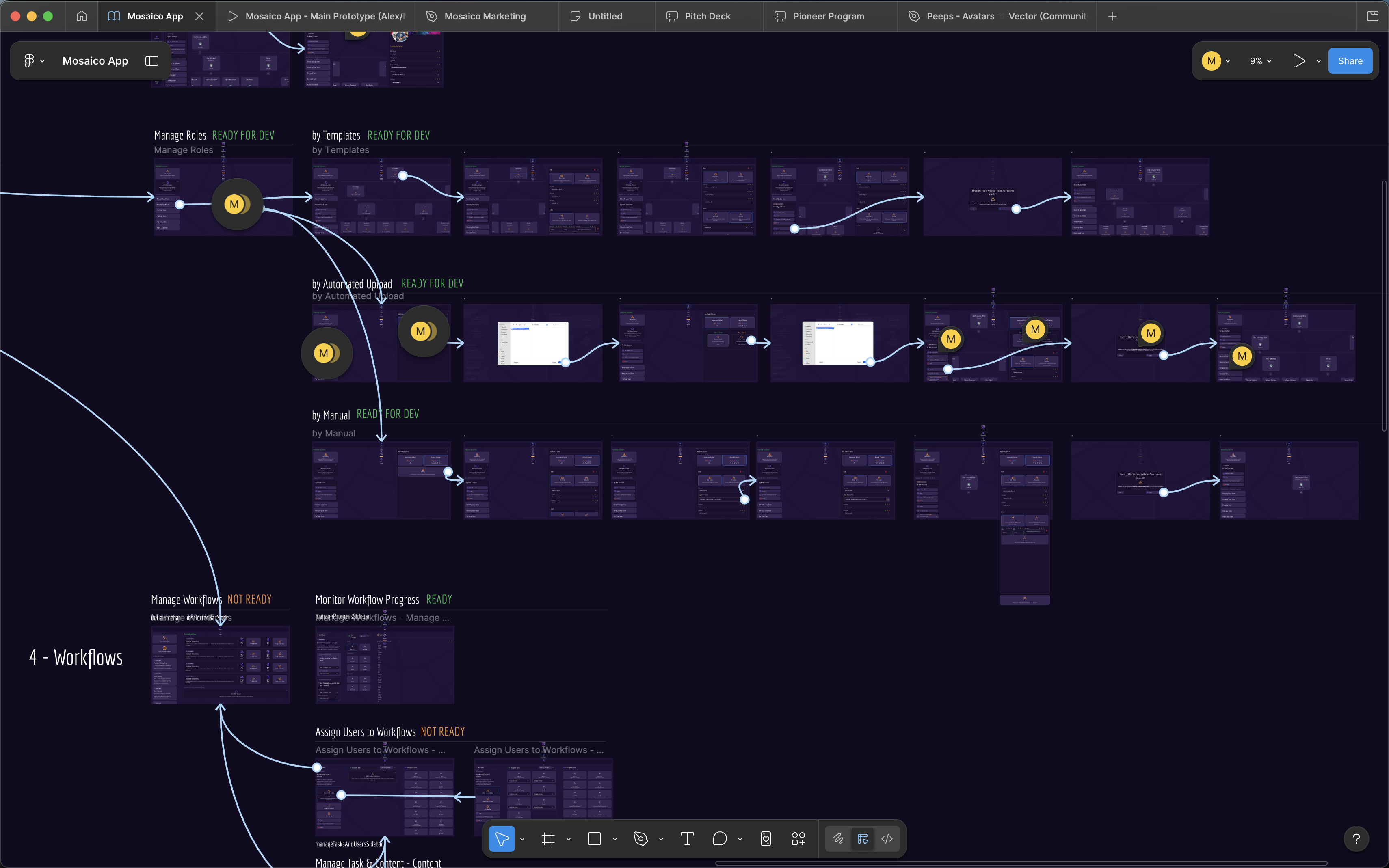
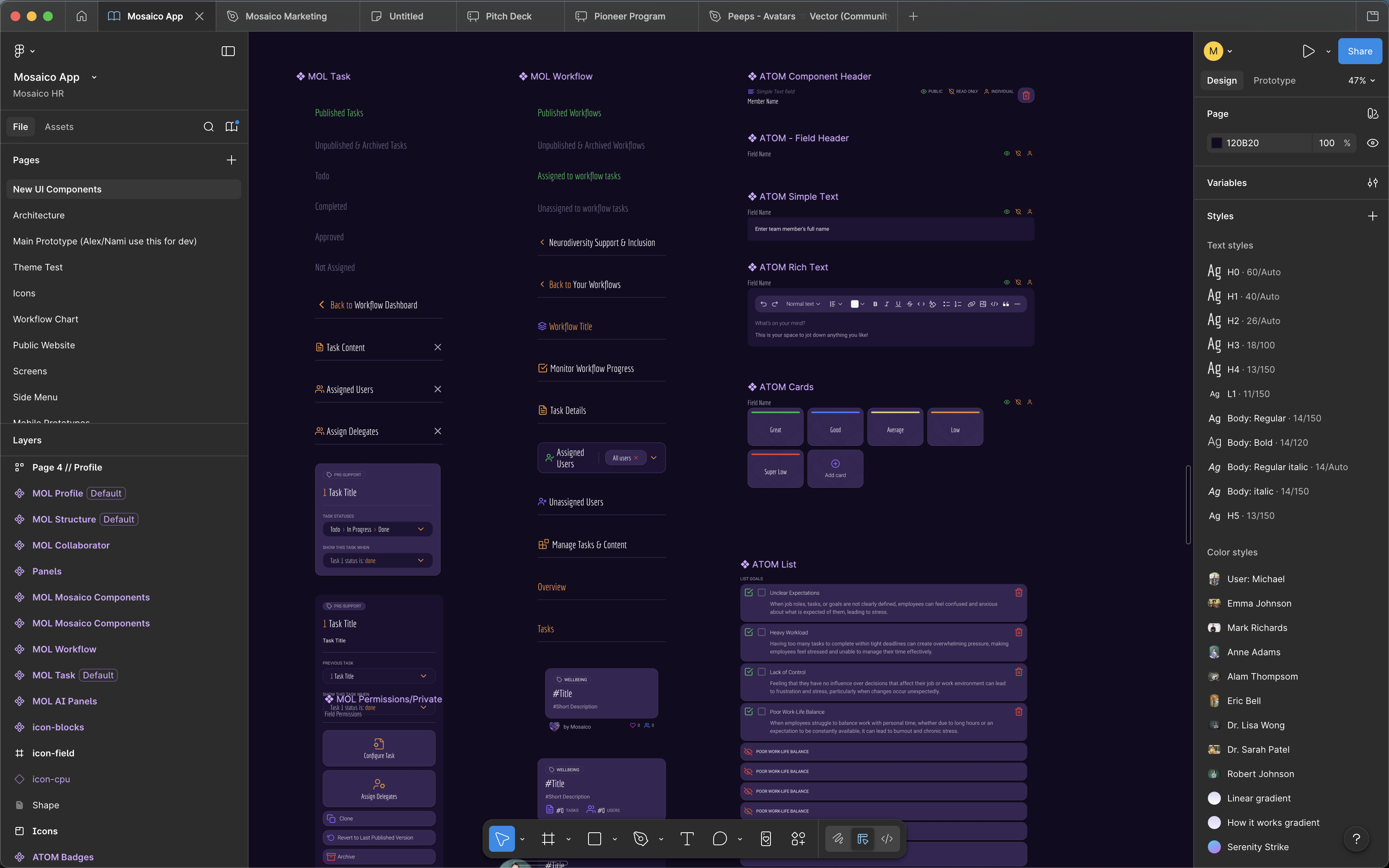
Component library
100+ basic, 200+ complex, 840+ variants
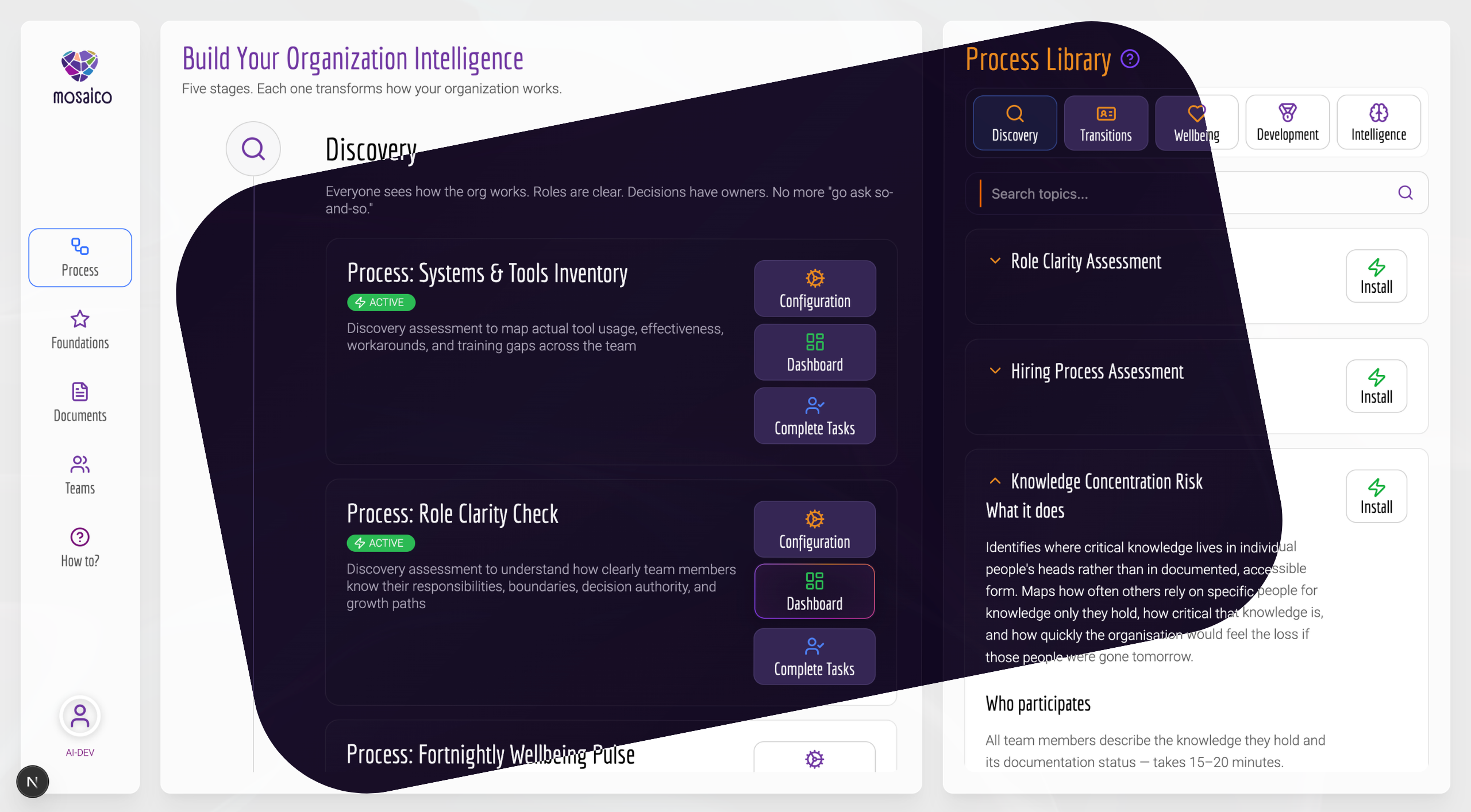
Theming
Same components, different themes
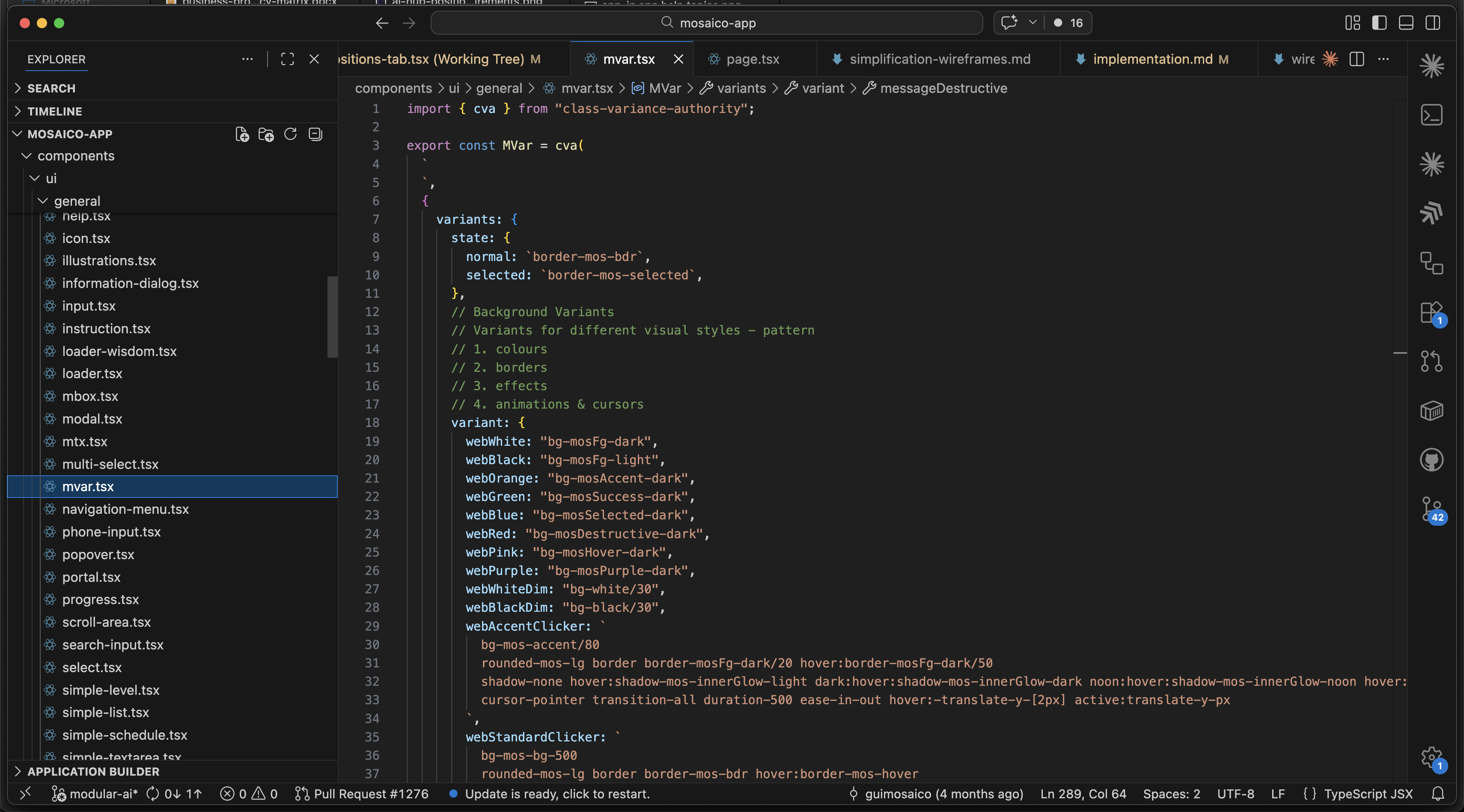
Design system in code
Production component variants in code
Tools & craft
Design
Figma
Tokens
Prototyping
Interaction
Visual
Information architecture
Component systems
System architecture
Modular component libraries
Cross-module patterns
API contracts
Multi-tenant logic
Reverse-brief framing
AI & data
RAG pipelines (Bedrock · S3 Vectors · Lambda)
Multi-agent design
Prompt engineering
Hybrid search tuning
Observability dashboards
Hallucination-risk metrics
LLM-driven content systems
AI-native delivery
Claude Code
Agent-orchestrated dev pipelines
99% AI-written codebases
Test-driven validation
Spec-as-source workflows
Research & strategy
Discovery interviews
ICP definition
Burning-pain mapping
Positioning translated into UI
Campaign experimentation
Product leadership
Roadmap with founder
Sales enablement
Team scaling
Hiring
Founding shareholder track
Go-to-market
LinkedIn outbound playbooks
GTM + Microsoft Ads UET
Conversion attribution per ICP
Agent-managed marketing sites
Collaboration
Cross-functional
Critique
Mentoring
Founder partnership
Stakeholder alignment
Contact
Location
Wellington, New Zealand
Citizenship / working rights
NZ citizen · Australian working rights
Availability
Available immediately
© Gui Maia · Wellington
guimaia.one/design